
Digital Assets & Virtual Assets
RWA Tokenisation in Hong Kong: Legal Framework and Structuring Guide
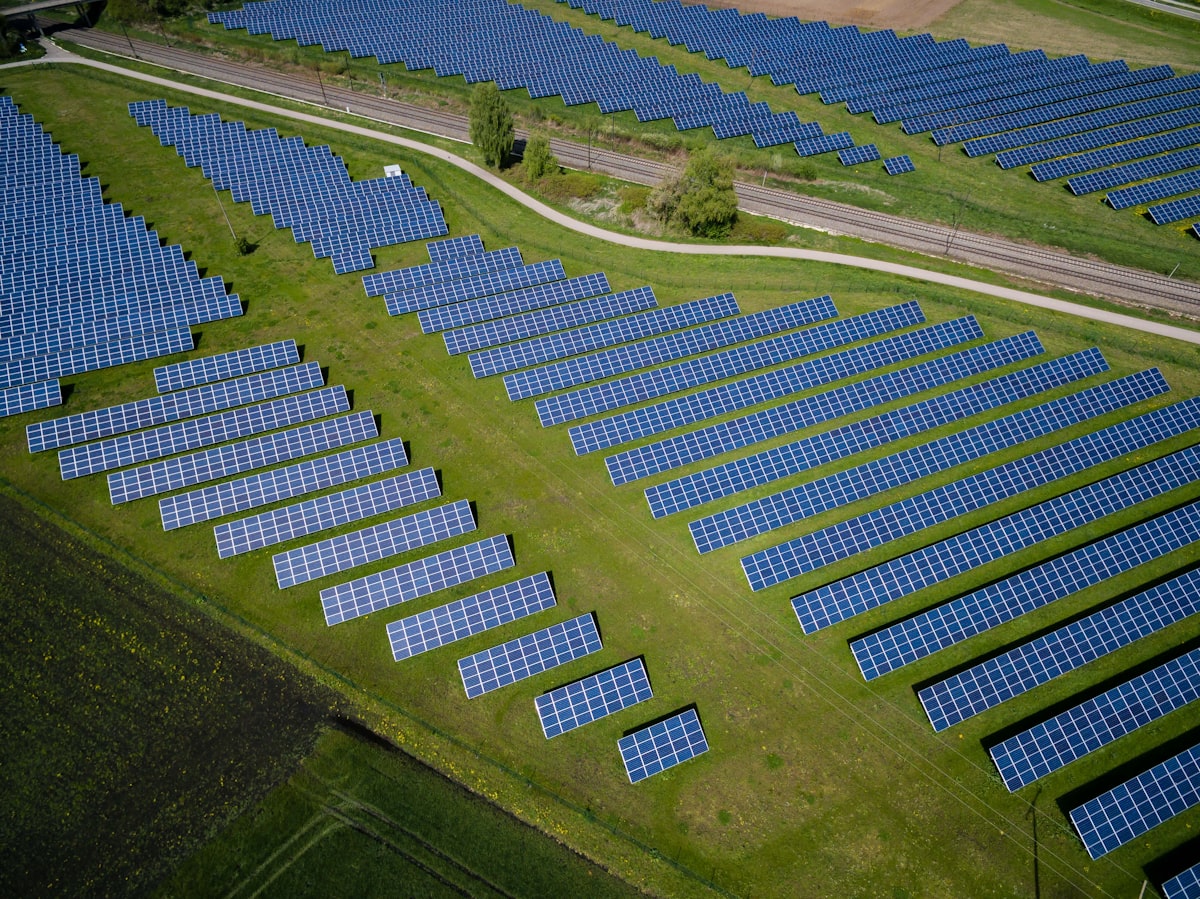

A comprehensive guide to the legal and regulatory framework for green bonds and ESG-linked financing in Hong Kong, covering HKEX listing requirements, ICMA principles, SFC ESG fund regulations, and key documentation considerations.
Sustainable finance has become a defining feature of Hong Kong’s capital markets strategy. As Asia’s leading international financial centre and a gateway to Mainland China’s green economy, Hong Kong has invested heavily in developing the legal, regulatory, and market infrastructure to support green bonds, sustainability-linked bonds (SLBs), social bonds, and ESG-linked loans.
This guide provides an overview of the legal and regulatory framework governing sustainable finance instruments in Hong Kong, focusing on green bonds listed on the Hong Kong Stock Exchange (HKEX), sustainability-linked loans, and the evolving ESG disclosure requirements applicable to fund managers and issuers.
Hong Kong’s green finance market has grown rapidly. Key developments include:
A green bond is a debt instrument where the proceeds are exclusively applied to finance or refinance green projects – projects with clear environmental benefits such as renewable energy, energy efficiency, clean transportation, sustainable water management, or green buildings. Green bonds may be listed on an exchange or issued in the private placement market.
The International Capital Market Association (ICMA) Green Bond Principles (GBP) are the globally accepted voluntary framework for green bond issuances. The GBP recommend four core components:
While not mandated by the GBP, external review – typically in the form of a second-party opinion (SPO) from a recognised sustainability consultant (e.g., Sustainalytics, ISS ESG, CICERO) or a verification report from an independent auditor – is market standard and increasingly expected by investors. Certification under the Climate Bonds Standard (CBI) is also available for eligible asset categories.
HKEX’s Sustainable and Green Exchange (STAGE) is a dedicated information platform for sustainable debt instruments listed or traded on HKEX. To display on STAGE, issuers must:
HKEX listing rules applicable to debt securities (Chapter 37) apply to listed green bonds, including prospectus requirements, continuing disclosure obligations, and trustee requirements. Green bonds listed on HKEX’s professional bond platform benefit from a streamlined listing process for wholesale investors.
Unlike use-of-proceeds green bonds, sustainability-linked bonds do not require proceeds to be applied to specific green projects. Instead, the bond’s financial characteristics (typically the coupon rate) are linked to the issuer’s performance against pre-defined Sustainability Performance Targets (SPTs) measured by Key Performance Indicators (KPIs).
Common KPIs include greenhouse gas emission reduction targets, renewable energy procurement percentages, and waste reduction metrics. If the issuer fails to meet its SPTs by specified observation dates, the coupon steps up (increases), penalising the issuer for underperformance.
The ICMA Sustainability-Linked Bond Principles (SLBP) provide guidance on KPI selection, SPT calibration, bond characteristics, reporting, and external review.
The Loan Market Association (LMA) and Asia Pacific Loan Market Association (APLMA) Green Loan Principles (GLP) apply the same four-component framework as the ICMA GBP to loan facilities. A green loan earmarks proceeds for eligible green projects and requires use of proceeds tracking, project evaluation processes, and annual reporting.
Sustainability-linked loans incorporate a pricing mechanism linked to the borrower’s ESG performance. The margin (interest rate) is reduced if the borrower meets its Sustainability Performance Targets (SPTs), and may step up if targets are missed. The LMA/APLMA Sustainability-Linked Loan Principles (SLLP) govern SLL structuring and require:
The prospectus or offering circular for a green bond or SLB must include:
The trust deed and bond conditions should include covenants specific to the green or sustainability-linked nature of the instrument:
For green loans and SLLs, the facility agreement should incorporate:
The SFC has introduced mandatory ESG disclosure requirements for fund managers under its Fund Manager Code of Conduct (FMCC) amendment effective November 2022. Large fund managers (with AUM of HKD 8 billion or above) must:
Smaller fund managers may adopt a proportionality approach but must still have governance policies addressing climate risk.
Greenwashing – making misleading sustainability claims about a financial product – carries significant legal and reputational risks in Hong Kong. Potential liabilities include:
Issuers and managers should ensure that green and sustainability claims are substantiated, clearly defined, and consistent across marketing materials, prospectuses, and post-issuance reports.
Alan Wong LLP advises issuers, arrangers, lenders, and fund managers on all aspects of green and sustainable finance in Hong Kong. Our services include:
Contact us to discuss your green finance transaction or ESG compliance needs.

A practical guide to having Hong Kong documents notarised and authenticated for use in Canada, covering the Hague Apostille Convention, province-specific requirements, common document types including immigration and real estate documents, and how Alan Wong LLP can help.
A comprehensive guide to equity fundraising mechanisms available to Hong Kong-listed companies under the HKEX Listing Rules, covering rights issues, open offers, top-up placements, general and specific mandates, and the key disclosure and shareholder approval requirements.